Sanitary disposalservice
Sanitary disposal service is a route-based service from Tampons.ca, delivered on fixed cycles with a per-washroom record filed since day 1. Lined, sealed bins in every stall, serviced on a route schedule. Collection, sanitizing and liner replacement, with a service record filed on every visit.
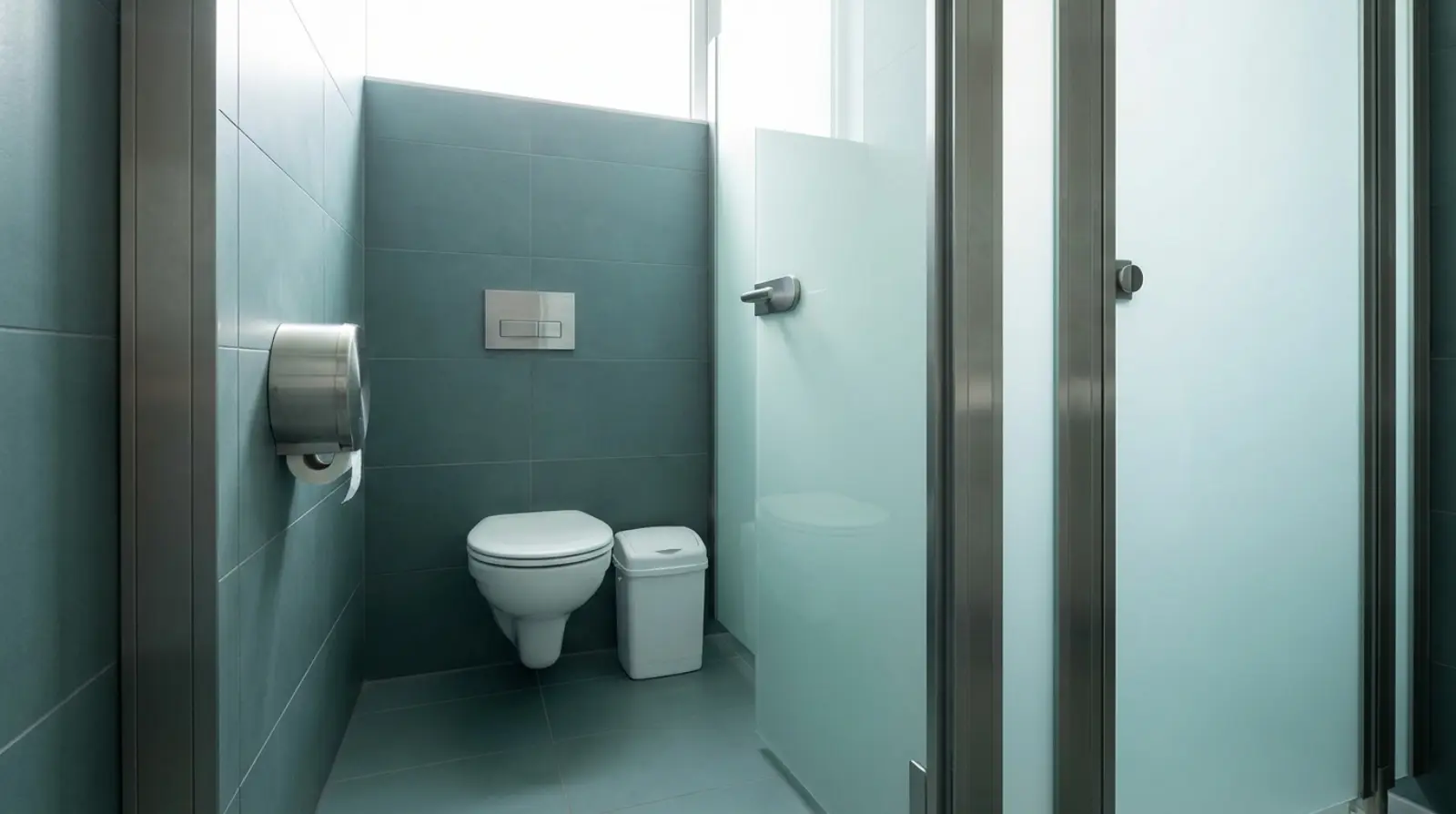
The service, in detail
What happens on every visit
Our sanitary bin services run on a fixed route: a technician exchanges the sealed sanitary bins, sanitizes each unit, fits a fresh liner, and checks dispenser levels in the same washroom while they are there. Sanitary waste removal and collection are logged per site and per washroom, so a facilities audit has a paper trail without a phone call. The core of our washroom hygiene services across Canada.
Choosing the right frequency
A starting point by facility type. We adjust after eight weeks of real usage data, up or down, no change fee.
Questions about this service
Tell the service desk and an off-schedule visit is dispatched : on a dense urban route that typically lands within one or two business days, because your building already sits between other stops. Just as important: a logged early-fill automatically flags that washroom for a cadence review. One early fill is an event; two is a pattern, and the schedule tightens one step before the third can happen. That feedback loop is the real answer to overflow. The emergency visit fixes the day, the cadence adjustment fixes the quarter, and both show up in your service log so the next facilities review sees exactly what happened and how it was resolved.
Yes, and it is worth being precise about why. A shared bin outside the stalls forces users to carry waste across the washroom, which most people simply will not do. The toilet is closer, and the plumbing pays for it. Per-stall coverage also spreads volume: each unit fills two to three times slower, which stretches the service cycle and usually costs less per month than fewer, faster-filling bins serviced more often. And under the federal mandate, a covered receptacle in every toilet stall is the requirement, not a best practice. An inspector who finds a bare stall has found a compliance gap, including in accessible and single-occupancy rooms.
Usually, yes. If your existing units are serviceable, covered, intact, compatible with standard liners. We fold them into the route and service them on the same logged schedule as our own hardware. Where a unit fails on hygiene grounds (broken lids, cracked bodies, formats our sanitising process cannot handle) we flag it during the site walk with a per-unit replacement recommendation and a price, and the decision stays yours. Mixed fleets do carry a small operational cost, more liner formats on the truck. Which is why many accounts converge on a standard format at contract renewal, but nothing forces that on day one. The site walk settles it unit by unit.